
Community Campaigns
*Note: This page will be updated once the new CEC Program is announced in 2026.
What is a Community Campaign and why should my municipality start one?
Completing a Clean Energy Community Campaign can be an effective way to encourage adoption of clean technology in your municipality while earning points in the Clean Energy Communities (CEC) and Climate Smart Communities (CSC) programs for your municipality. A Community Campaign can help advance state and local clean energy goals. Campaigns are typically short-term, local efforts that bring together groups of potential customers through widespread outreach and education. Communities have the option of doing the following campaign types: Community Solar, Clean Heating and Cooling, and Electric Vehicle. The CSC Program also has an action related to a waste reduction campaign.
How do I start a campaign?
The CSC Program has clear instructions and templates for completing campaign related actions. You can find that information at the following links:
-
PE5 Action: Waste Reduction Education Campaign
-
PE8 Action: Buy Local/Buy Green Campaign
-
PE8 Action: Rooftop Solarize Campaign
-
PE8 Action: Community Campaigns
-
PE9 Action: Energy Reduction Campaign
In previous rounds of the NYSERDA CEC Program, to get credit from NYSERDA in the CEC program for completing a campaign, you first needed to fill out and submit a Scoping Document. We will provide updated information and templates once the new Program is released. Please reach out to your CEC Coordinator for assistance in starting a campaign and completing a scoping document. Find your Mid-Hudson CEC Coordinator here. If you live elsewhere in the state, you can use this list to find a CEC Coordinator.
What resources are available to help support a campaign?
Local governments are encouraged to team up with partner organizations, subject matter experts, and service providers to develop a well-organized campaign that provides consumers with increased education and access to clean energy. You can promote and generate interest in your campaign through events and other outreach efforts. The Regional Clean Energy Hub in our Region, Mid-Hudson Energy Choices, has Energy Advisors available to assist with campaigns and outreach to residents about clean energy. Information about their team can be found here. The Hub is a fantastic resource to share with your community, and advisors can help residents access programs to make their homes more comfortable & energy efficient; please do reach out to them. In addition, HVRC has put together resource pages with participating partners and marketing materials to help make your campaign a success:
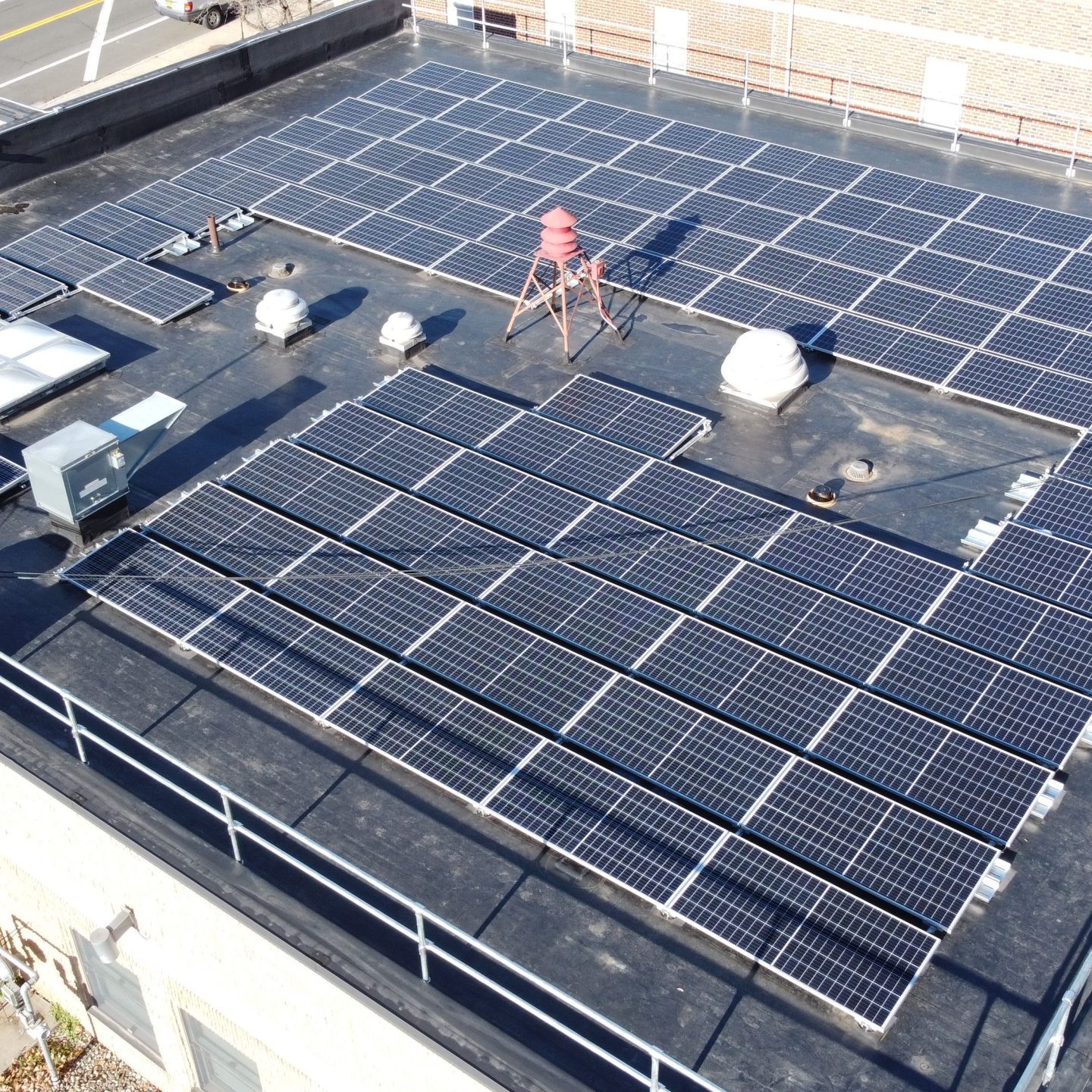
Community Solar Campaigns
Information on solar campaigns, including solar companies willing to assist communities with campaigns and answer questions about their work.
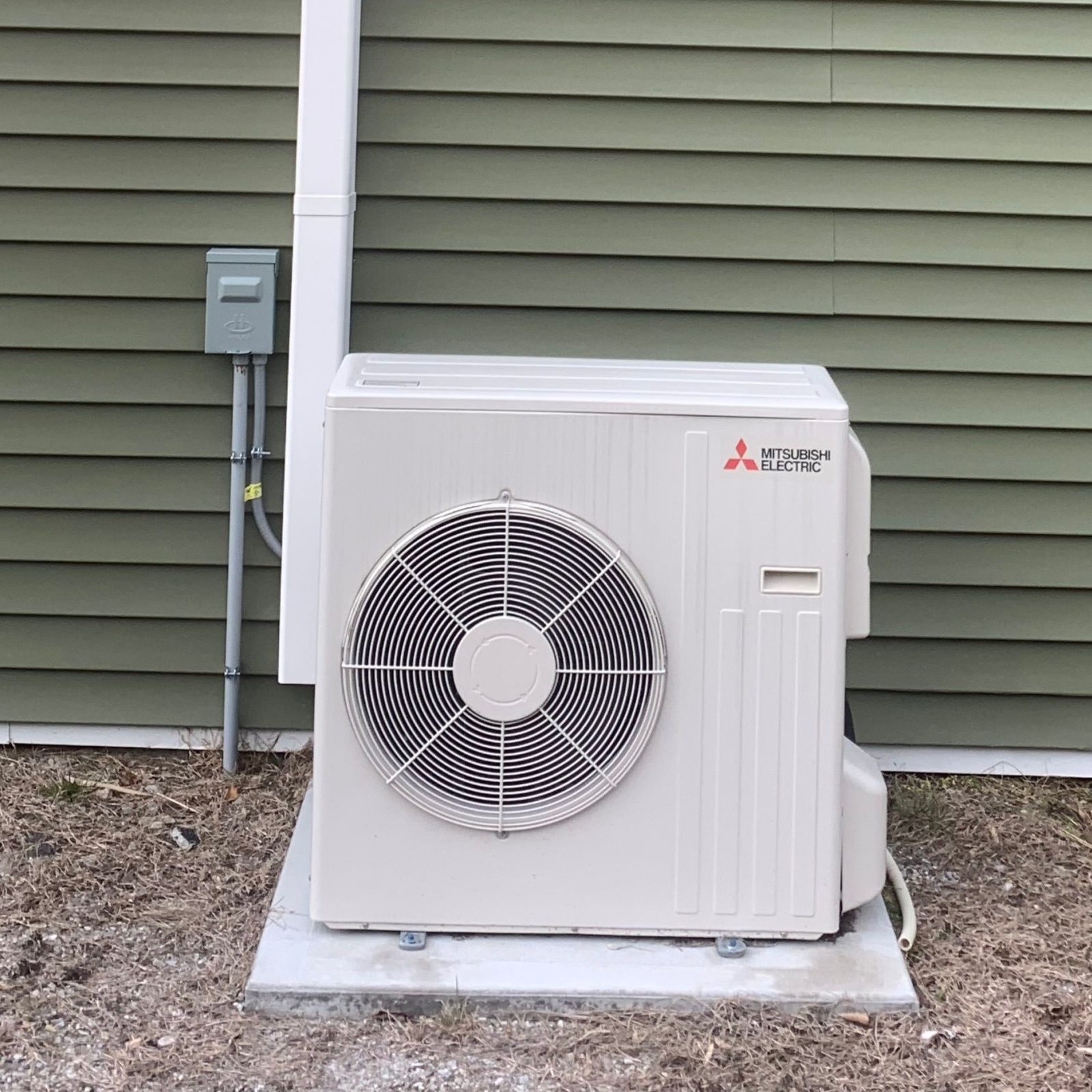
Clean Heating & Cooling Campaigns
HVAC Contractors willing to assist communities with campaigns and answer questions about their work.
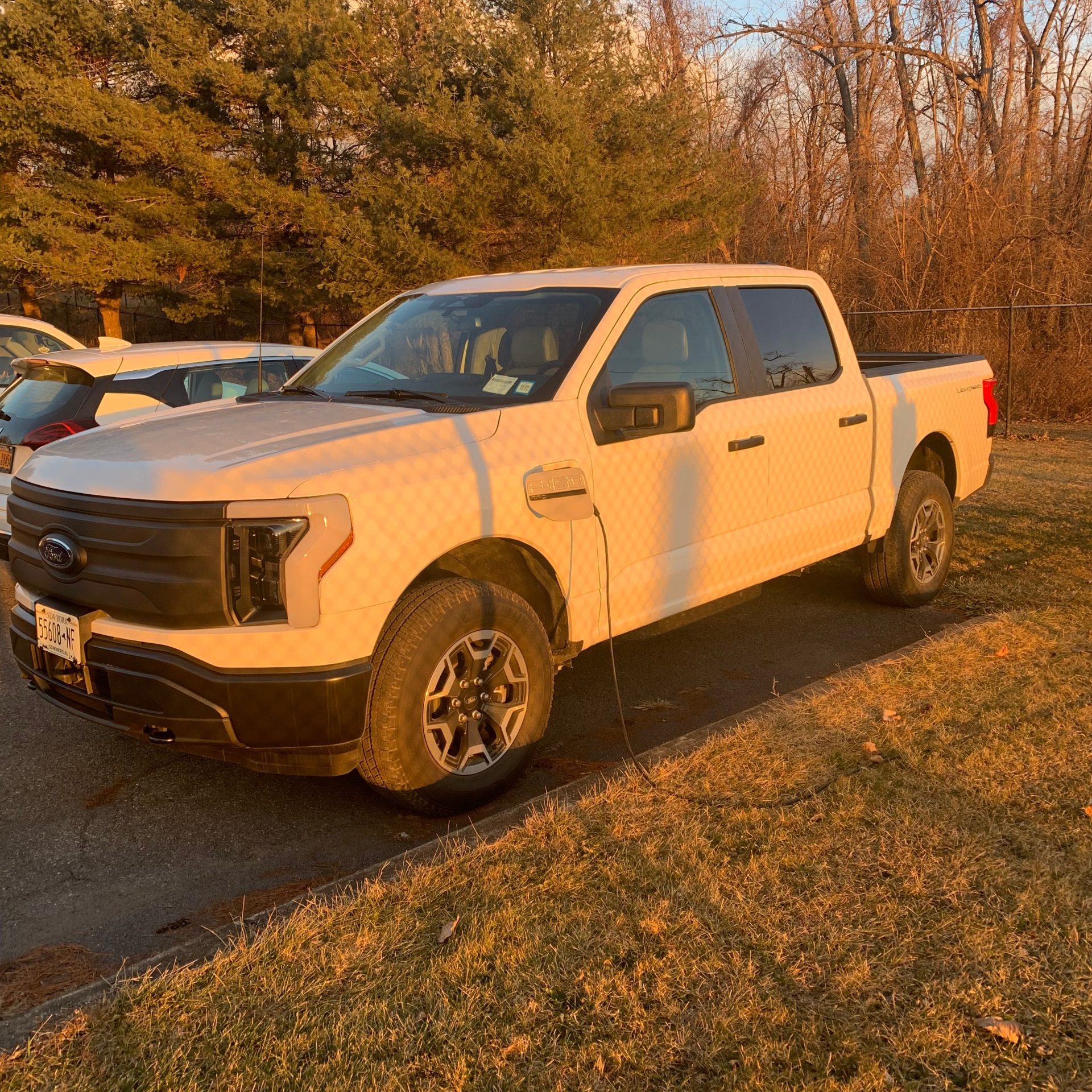
Electric Vehicle Campaigns
Outreach and educational materials to help municipalities initiate and execute community EV campaigns.
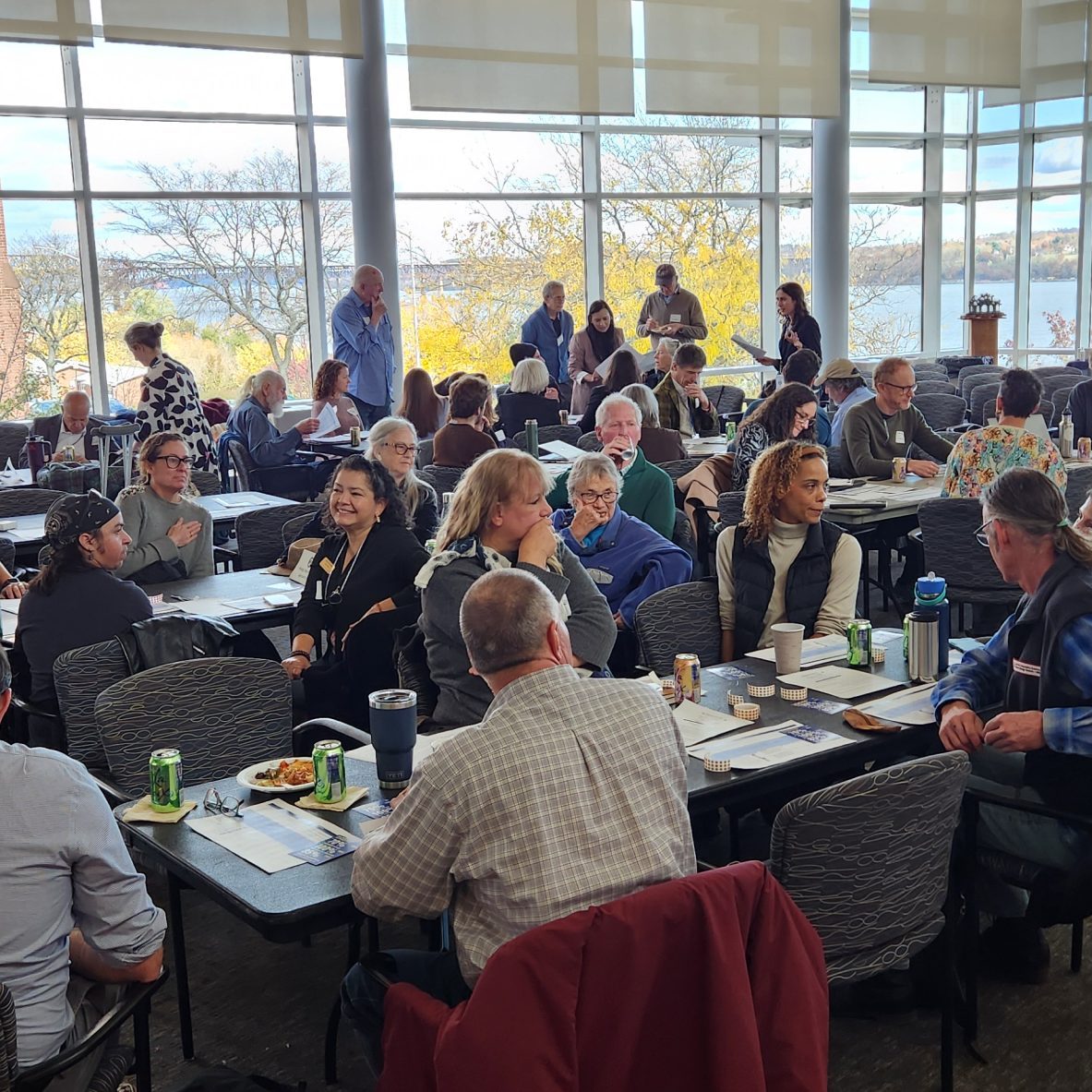
Tips for Community Campaigns & Outreach
Resources, tips, and tricks for successful communication and outreach efforts.
How will my municipality get credit through the CEC & CSC Programs for our campaign?
To get credit for completing a campaign in your municipality, you will need to count community solar sign-ups, heat pump installations, or electric vehicle purchases by residents. We will update requirements here when the new CEC Program is released. All requirements for the CSC Program can be found at the action links in the "How Do I Start a Campaign" section above.
Under the previous NYSERDA CEC program, a customer list had to be created that included the location, name of the installer/supplier/dealer, the name and address of customer, and the date when the customer made the sign-up/installation/purchase. Applicants also needed to show proof of municipal participation in the campaign. Documentation was required to be dated and include the name of the applying jurisdiction, and it could consist of one or more of the following: a press release, a flyer from an event hosted by the jurisdiction, a website screenshot, a local press article, a certified resolution, or comparable information.